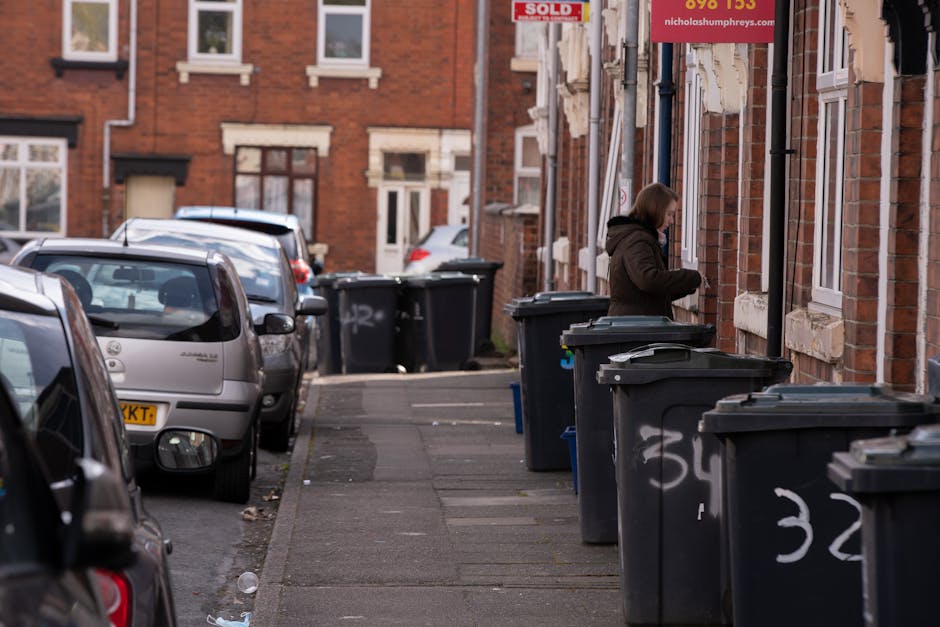
Rubbish clearance tips for Morden SM4 homes
If you live in Morden SM4, rubbish can pile up faster than you expect. One weekend it is a broken wardrobe, a cracked garden planter, and a few black bags in the hallway; the next, the spare room has quietly turned into a storage unit. These rubbish clearance tips for Morden SM4 homes will help you clear space without turning the job into a stressful all-day ordeal. Whether you are tidying after a move, sorting a loft, or dealing with a kitchen refresh, the smart approach is usually the same: plan first, separate carefully, and choose the right disposal route for each item.
To be fair, most people do not need a dramatic "clear everything in one go" plan. They need a method that works in a busy London home, on a realistic budget, and with as little disruption as possible. This guide breaks the process down into practical steps, common mistakes, local considerations, and the small decisions that make a big difference.
Why Rubbish clearance tips for Morden SM4 homes Matters
Good rubbish clearance is not just about making a room look tidy. In a family home, a flat, or a terrace property in SM4, clutter affects how you use the space every day. Bags in the porch make deliveries awkward. Old furniture in the loft makes access difficult. A stuffed garage can stop you parking the car where it should be. And once rubbish starts collecting in more than one place, the job feels bigger and more annoying than it really is.
There is also a practical side. Delaying clearance can lead to smashed boxes, pest issues, blocked access, and that familiar "we will sort it later" feeling that somehow lasts months. Truth be told, the longer waste stays put, the harder it becomes to sort properly.
For homes in Morden SM4, the local context matters too. Many properties have limited outdoor storage, shared access, narrow front paths, or parking that is never quite as convenient as you hoped. That means rubbish clearance needs to be organised, safe, and quick. A little structure up front saves you lifting the same item twice. Nobody wants that.
If your clearance includes bulky items or mixed waste, it can help to look at related services such as house clearance, home clearance, or general waste removal so you can match the job to the right service. That is usually where the stress drops away.
How Rubbish clearance tips for Morden SM4 homes Works
At its simplest, rubbish clearance follows a few stages: identify what needs to go, separate items by type, decide what can be reused or recycled, and then remove the rest in the most efficient way. Sounds straightforward. In reality, the trouble usually starts when everything gets tipped into one pile.
A sensible home clearance process usually works like this:
- Survey the clutter - walk through each room and make a quick list of what needs clearing.
- Group items by category - furniture, general rubbish, electrical items, green waste, and anything potentially hazardous.
- Decide what can stay - be honest here; if it has not been used in years and you do not even like it, it is probably not "someday essential".
- Check access points - doors, stairways, loft hatches, and driveway access all affect how removal should happen.
- Choose the disposal route - skip hire, man and van clearance, specialist item disposal, or a hybrid approach.
- Load safely and responsibly - heavier items first, fragile items protected, and no mystery piles left for later.
If you are dealing with awkward items such as wardrobes, sofas, fridges, or mattresses, the process becomes more specialised. For those, it is worth understanding the specific disposal route rather than guessing. For example, see options for mattress and sofa disposal, fridge and appliance removal, and furniture disposal.
A useful rule of thumb: if an item is bulky, heavy, awkward, or likely to damage a stairwell on the way out, do not leave the lifting plan until the last minute. That is where jobs go sideways.
Key Benefits and Practical Advantages
Done properly, rubbish clearance gives you more than a clean room. It makes the home work better.
- More usable space - a cleared loft, garage, or spare room can become storage, a home office, or just a calmer place to live.
- Less daily frustration - no stepping around bags, boxes, or broken furniture every morning.
- Better safety - fewer trip hazards, less fire risk from stacked clutter, and clearer escape routes.
- Cleaner presentation - especially useful if you are selling, letting, or preparing for decorating.
- Faster renovation work - builders and decorators need access, and clutter slows everything down.
- Less wasteful disposal - sorting properly means more can be reused or recycled instead of being treated as mixed rubbish.
There is also a quieter benefit people often underestimate: peace of mind. Once the clutter is gone, the house feels easier to manage. You can find things. You can clean properly. You stop mentally tripping over the same pile every time you walk past it. That sounds small, but it really is not.
Expert summary: The best rubbish clearance is not the fastest one, and not the cheapest one in isolation. It is the one that clears space safely, keeps reusable items out of the bin where possible, and avoids turning a simple task into a weekend argument.
Who This Is For and When It Makes Sense
These tips are useful for all sorts of Morden SM4 households, but some situations benefit more than others.
Typical situations where clearance makes sense
- Moving home and wanting to avoid transporting junk to the next address.
- After a declutter, when you finally decide the spare room needs to breathe again.
- Before decorating or renovation, to create a clear workspace.
- Following a bereavement or major life change, when the property needs sensitive, steady clearing.
- After a garden clean-up, especially when cuttings, broken pots, and old outdoor items build up.
- When a loft, garage, or shed has become overfull, which, let's face it, happens very easily.
For smaller flats, the job often comes down to access and speed. In that case, a flat clearance approach can be much simpler than trying to handle everything yourself. For larger family homes, a house clearance style plan often makes more sense because you can clear in zones rather than doing the entire property in one exhausting push.
If the mess is concentrated in one area, use a more targeted approach. A garage stuffed with old DIY offcuts is not the same as a whole-house clear. A loft full of boxes from the 1990s is not the same as garden rubbish after a weekend of pruning. Different problems, different pace.
Step-by-Step Guidance
Here is the practical, no-nonsense way to handle rubbish clearance in a Morden SM4 home.
1. Start with one area, not the whole house
Choose one room or storage area and finish it before moving on. The loft, garage, and garden shed are good starting points because they often contain the most clutter and the least emotional resistance. If you begin with the hardest room first, you may stall before lunch. Been there, seen that.
2. Sort into clear categories
Use simple groups:
- Keep
- Donate or reuse
- Recycle
- Sell if it is genuinely worth the time
- Dispose of as rubbish
- Specialist disposal required
Keep the categories visible. Cardboard boxes, bags, or labelled piles all work. The point is to stop yourself from creating a vague "maybe later" pile. That pile is where good intentions go to sleep.
3. Remove hazards first
Anything sharp, mouldy, leaking, heavy, or unstable should be handled early. This includes broken furniture, cracked glass, old paint tins, and electrical items with damaged casing. If something could spill, pinch, or cut, it deserves attention before the general waste pile.
4. Separate bulky and specialist items
Large furniture, mattresses, white goods, and construction waste often need a different disposal approach. For example, a single sofa is not the same as a stack of mixed household rubbish, and builders' offcuts need different handling again. If your job includes renovation debris, look at builders waste clearance. For garden-heavy jobs, garden clearance is often the better fit.
5. Think about access and lifting
Measure doorways if needed. Check stair width. Clear the hallway first. Move pets and children out of the way. It sounds obvious, but in real homes the awkward bit is rarely the rubbish itself; it is the route out of the house.
6. Decide what goes where
Once everything is sorted, decide how each category will be removed. Reusable items can go to another home, some recyclable materials can be separated, and the rest can be collected in one go. If you are unsure what should go into a skip, the guide on what can go in a skip is a useful reference point before you book anything.
7. Finish with a final sweep
Do one last check of shelves, under beds, behind doors, and in corners. That final ten-minute sweep often finds the random extras: a lamp base, a cable nest, an old shoe box full of receipts, or a broken chair leg nobody remembered.
Expert Tips for Better Results
These are the little things that make a clearance easier, cleaner, and less wasteful.
- Label bags by room if the job is large. You will thank yourself later.
- Break down furniture where possible. Flat-pack wardrobes and dismantled bed frames are easier to move and often safer through narrow spaces.
- Keep one "decision box" for items you are not sure about, but revisit it within 24 hours. Not next month.
- Take photos before you start if you want to compare progress or get a more accurate quote for removal.
- Work top to bottom in storage areas. Loft first, then upstairs rooms, then downstairs. You avoid moving dust and rubbish back and forth.
- Protect floors and corners when moving heavy items. A rolled towel or cardboard layer can save a lot of scuff marks.
One practical local observation: Morden homes often have tight front access or shared paths, so staging items neatly near the exit can make a big difference. You do not want to discover, at the final moment, that the old chest of drawers will not turn the corner. It happens more often than people think.
If you are trying to save money, do not overfill with mixed waste just because it seems easier. Sorting a little in advance is usually cheaper than paying to move things you could have separated. That bit of effort pays back quickly.
Common Mistakes to Avoid
Rubbish clearance mistakes are usually simple, but they create extra cost, delays, or unsafe conditions.
- Leaving everything until the last minute - this is the big one. A rushed job leads to missed items and bad decisions.
- Mixing special waste with general waste - electricals, chemicals, and heavy items often need separate handling.
- Underestimating access problems - stairs, parked cars, and narrow entrances can all change the plan.
- Throwing away reusable items too early - it is worth pausing before the final bagging stage.
- Forgetting loft and garage corners - the forgotten bits are always the ones that come back to haunt you.
- Not checking what a provider includes - labour, loading, lifting, and disposal may not all be covered the same way.
Another common slip: people start with the sentimental items and get stuck. If a box contains old letters, a school project, and a cracked lamp, you can lose an hour before you have even moved a thing. Start with obvious rubbish. Save the memory boxes for when you are fresh.
And yes, one more thing. Do not tell yourself that "it is fine for now" when the pile is already blocking the meter cupboard. That is not a storage system. That is a to-do list with ambition.
Tools, Resources and Recommendations
You do not need fancy kit to clear rubbish well, but a few basic tools make the work much safer and faster.
Helpful household tools
- Heavy-duty bin bags
- Work gloves
- Strong packing tape
- Marker pens for labelling
- Dust sheets or old blankets
- Small trolley or sack truck for heavier items
- Box cutter or screwdriver for dismantling furniture
Useful disposal-related services
Depending on the type of waste you have, the following options can be more useful than a general clear-out:
- furniture clearance for large items and mixed old household furniture
- garage clearance for tools, boxes, and long-forgotten household storage
- loft clearance for dusty stored items, boxes, and access-heavy jobs
- fridge and appliance removal for white goods and other bulky appliances
- mattress and sofa disposal for awkward upholstery that is hard to move by yourself
If you want a clearer look at pricing structure and what affects quotes, the pricing and quotes page is a sensible place to understand how jobs are usually assessed. And if you care about where waste ends up, recycling and sustainability explains the broader approach to responsible disposal.
Law, Compliance, Standards, or Best Practice
For rubbish clearance in the UK, the main thing to remember is simple: waste should be handled responsibly, and you should be careful about who takes it away. If a person or company removes waste and later dumps it illegally, the original owner can end up with questions to answer. That is not a headache anyone wants.
Best practice is to use a provider that is clear about disposal, insurance, safety, and the way waste is handled. It is also sensible to keep records or receipts when arranging clearances, especially for larger jobs or mixed materials. Not because you expect trouble, but because it is a good habit.
Some items need extra care:
- Hazardous materials - paint, solvents, certain chemicals, and anything with potential contamination should be flagged separately.
- Electrical waste - appliances and electronics should not simply be thrown into general rubbish.
- Confidential material - if the clear-out includes old paperwork or business documents, use a proper secure disposal route such as confidential shredding.
For peace of mind, review a provider's stated approach to insurance and safety and their general health and safety policy. Those details matter more than most people realise, especially when heavy lifting, shared access, or fragile property features are involved.
Options, Methods, or Comparison Table
There is no single best method for every home. The right choice depends on the volume, type, and urgency of the waste.
| Method | Best for | Advantages | Drawbacks |
|---|---|---|---|
| DIY trips to the tip | Small, manageable loads | Good for very light clear-outs; full control | Time-consuming, loading effort, multiple journeys |
| Skip hire | Mixed bulky waste and renovation debris | Handy for ongoing projects; can suit larger volumes | Space needed; loading is still your responsibility |
| Man and van clearance | Fast home clearances and bulky items | Quick removal; less lifting for the homeowner | Needs good provider selection; not ideal for very large ongoing works |
| Specialist item removal | Sofas, mattresses, fridges, appliances | Handled correctly for item type; less hassle | May not cover unrelated waste |
| Full house or home clearance | Whole rooms, probate, downsizing, major declutters | Efficient for bigger jobs; less stress | Requires planning and access coordination |
If you are choosing between a skip and a collection-based service, think about space, time, and lifting. A skip can be fine if you have parking room and the job will stretch over a few days. A collection service is often better if you want most of the work done in one visit. Simple as that, really.
Case Study or Real-World Example
Imagine a typical SM4 semi-detached home after a kitchen refresh and a spring clear-out. There are old cabinet doors in the hallway, a broken microwave in the utility area, two mattresses in an upstairs room, and a garage full of garden tools, cardboard, and a wobbly table no one remembers buying.
The temptation is to drag it all outside and sort it later. That usually creates a mess at the kerb, blocks the path, and turns one Saturday job into a neighbourhood obstacle course.
A better approach is to break it down:
- Kitchen waste goes into one pile.
- Electronics are separated for appliance disposal.
- Mattresses are set aside for specialist collection.
- Garage contents are sorted into keep, recycle, and remove.
- Anything reusable is offered away before the rest is cleared.
By mid-afternoon, the house feels lighter. The hallway is walkable again. The garage has floor space. The job still takes effort, of course, but it does not take over the whole weekend. That is the difference a structured plan makes.
This sort of approach works particularly well for furniture clearance and broader home clearance projects because it keeps the categories clear from the start.
Practical Checklist
Use this checklist before your clearance begins.
- Walk through every room and storage area
- Decide what stays, what goes, and what may be donated
- Separate bulky items from general rubbish
- Check for hazardous, electrical, or confidential waste
- Measure access points if lifting large items
- Clear hallways, landings, and exits
- Prepare bags, boxes, gloves, and tape
- Confirm how recyclable items will be handled
- Choose the most suitable disposal method
- Do one final sweep before removal starts
Quick reminder: if something feels too heavy, too awkward, or too uncertain, stop and reassess. A bit of caution saves a lot of trouble.
Conclusion
Rubbish clearance in Morden SM4 homes works best when it is calm, structured, and honest about what needs to leave the property. Start with one area, separate items properly, and choose the right disposal route for the kind of waste you have. That alone will solve most of the pain points people run into.
The real win is not just getting rid of clutter. It is making your home easier to live in, easier to clean, and easier to enjoy. And once the space opens up, you tend to wonder why you waited so long. Happens all the time.
If your next step is a larger clear-out, compare the most relevant services, review the support pages, and pick the approach that feels sensible for your home rather than the one that looks easiest on paper. Small decisions, taken in the right order, make the whole job feel manageable.
Get a free quote today and see how much you can save.
Frequently Asked Questions
What is the easiest way to clear rubbish from a Morden SM4 home?
The easiest approach is usually to sort items into simple categories, start with one room, and remove bulky or specialist items separately. That keeps the job under control and avoids endless reshuffling.
Should I sort rubbish before booking a clearance?
Yes, if you can. A quick sort helps identify furniture, appliances, garden waste, and anything hazardous. It often leads to a smoother, more accurate clearance.
What items need special disposal?
Fridges, mattresses, sofas, electrical items, chemicals, and confidential documents often need separate handling. They should not be treated as ordinary mixed rubbish.
Is skip hire better than a clearance collection?
It depends on the job. Skip hire suits ongoing DIY or larger volumes where you can load over time. A clearance collection is often better for quick removal and less manual effort on your part.
How do I know if something can be recycled?
Check the material type and whether it is clean and separated. Cardboard, some metals, and certain household items are often recyclable, but mixed or contaminated waste is harder to process.
What should I do with old furniture?
Decide whether it can be reused, donated, or needs disposal. If it is bulky or awkward, a dedicated furniture service is usually the easiest route.
Can I clear a loft or garage in one day?
Sometimes, yes. Smaller spaces can often be done in a day if the sorting is already planned. Bigger or more cluttered spaces usually take longer than people expect.
What is the biggest mistake people make during rubbish clearance?
Mixing everything together and leaving decisions until the end. That creates more work, increases lifting, and makes recycling harder.
Do I need to worry about safety during home clearance?
Yes. Heavy items, dust, sharp edges, and awkward lifting all create risks. Good gloves, clear walkways, and sensible lifting habits go a long way.
How can I make a clearance less stressful?
Keep the plan simple, work room by room, and deal with specialist waste separately. Also, give yourself a realistic time window. Rushing rarely helps, does it?
What happens if I have confidential paperwork in the clear-out?
Use a secure shredding option rather than putting sensitive documents in normal rubbish. It is the safer and more responsible choice.
Where should I start if the house feels completely overwhelmed?
Start with the easiest visible area, not the most emotional one. A hallway, corner, or storage shelf with obvious rubbish can give you momentum quickly.