Commercial Waste Merton for planned business collections and practical disposal
Commercial Waste Merton is a straightforward service for businesses that need regular or one-off collection of office and trade waste in an organised way. It is designed to help keep workplaces clear of mixed rubbish, packaging, unwanted fittings and other non-hazardous materials, while keeping disposal routes tidy and traceable. The focus is on sensible handling, suitable separation where needed, and making sure the work fits around day-to-day business activity.
We cover commercial waste removal for premises that generate general business rubbish as part of normal operations, including deskside waste, bagged refuse, boxes, plastics, light fixtures and other common non-confidential materials. Where the waste stream needs care, we can also discuss items that call for separate handling, such as certain electricals or bulky objects that are easier to remove in a planned visit rather than through ad hoc disposal.
If you are trying to clear out accumulated waste or set up a repeat collection pattern, the best first step is often to sort by type and volume. That makes it easier to match the right collection method to your site, whether the task is a simple pickup after an office rearrangement or a broader business clearance. Ask for a quotation when you are ready, and keep the outline concise so the next step is easy to arrange.
Business waste removal arranged around your site
Business waste removal is usually most effective when the service is matched to the way a workplace actually produces rubbish. A small office might only need a single collection of mixed bags and broken chairs, while a larger unit may want recurring clearance of packaging, old stock containers or back-room clutter. The practical aim is to keep waste moving out without creating disruption at desks, reception areas, stockrooms or shared access points.
Different commercial settings need different handling. Retail backrooms often involve cardboard and light packaging; offices may produce paper, stationery waste and broken furniture; hospitality premises can generate a broader mix of bagged rubbish and out-of-use fittings. The useful decision is not only what should go, but what should be separated, stacked, or left until a later collection so the load can be managed efficiently and safely.
For an accurate quotation, it helps to give a clear outline of the waste, the access route and whether the collection is a one-off or a repeated requirement. Photos can help, but a short written summary is just as valuable if the items are easy to describe. If the load includes bulky pieces, mention whether they are in a basement, upstairs office or rear yard so the collection plan reflects the site properly.
Office waste, clearance work and building contents
Office waste clearance is more than removing paper bins. It can include the steady clearing of general office rubbish, redundant furniture, shelving, filing cabinets, broken screens and other items left behind after reorganisations or tenancy changes. The service is useful where a room must be returned to working order quickly and in a way that leaves the remaining furniture or equipment untouched.
In larger clearances, it can be helpful to think in layers: first the obvious bagged waste, then the bulky items, then the smaller pieces that collect in cupboards, storage rooms and under desks. That makes the work easier to plan and helps avoid missed items. When equipment or fittings need special handling, we can discuss the most suitable route rather than treating every object as identical waste.
Office-based collections often run more smoothly when the business identifies what remains in place. A simple list of keep, remove, and check first can reduce confusion at the start of the job. That is particularly useful in shared offices, managed buildings or premises where access windows are limited and the waste needs to be moved without interrupting staff for long periods.
Bulky items and furniture disposal choices
Commercial furniture disposal covers the removal of items that have reached the end of their useful life or no longer fit the layout of the building. That might include desks, office chairs, shelving, tables, lockers, counters or occasional use furniture from meeting rooms and reception areas. The main difference between furniture disposal and general rubbish collection is the handling of size, weight and access rather than the visual appearance of the item.
Some furniture is best taken apart before removal, especially when doorways, lifts or stairwells are narrow. Other items are easier to move intact if they can be carried safely through the route. Where a site has delicate flooring, limited parking or a busy public entrance, these practical details matter. A planned collection can reduce the risk of damage and make the removal more predictable for everyone involved.
Useful preparation usually comes down to simple decisions. Decide which items are to leave, which are to be removed, and whether any of the remaining fixtures need to stay attached to walls or floors. A short note about mixed loads is also helpful if the furniture sits alongside general waste, cardboard or packaging. That keeps the work orderly and prevents unnecessary handling of items already destined for disposal.
Waste streams that need separate handling
Some commercial waste does not belong in the same collection as ordinary office rubbish. Items such as fridges, appliances, damaged electrical equipment and certain materials may need to be isolated so they can be dealt with appropriately. The point of separating them is not to add complexity for its own sake, but to make sure each load is treated in a suitable and lawful way for the material involved.
If a business has a mixed clearance, it is sensible to identify the more awkward items first and keep them apart from general refuse. That may include units with refrigerant, broken small appliances, IT hardware, and other objects that are not simply bagged waste. The right approach depends on the material, the quantity and the access available, so a clear description helps us avoid assumptions.
For quoted work, it is often enough to say whether the job includes only standard commercial waste or a combination of ordinary rubbish and items needing separate removal. This is one of the areas where a concise description is better than a long explanation. If there are any restrictions on access or timing, include them with the rest of the job details so the collection can be planned around them.
Pricing factors and how quotations are shaped

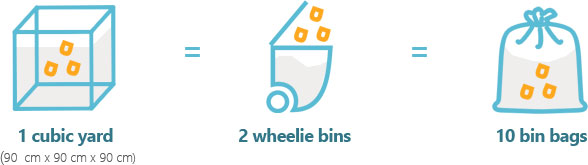
Commercial waste pricing is usually influenced by the amount of waste, the type of material, the ease of access and the time needed to load everything safely. A straightforward bagged waste collection is different from a job involving bulky furniture, awkward stair access or a site where items are spread across several rooms. Clear information about the task helps shape a quotation that reflects the actual work rather than a guess.
The size of the load matters, but so does how it is presented. Neatly bagged refuse, bundled cardboard and stacked items are easier to assess than mixed piles scattered around a building. If the waste includes items from different areas, it can help to say which parts of the premises are involved. That is especially relevant where a business wants one visit to cover storage, office and front-of-house spaces in a single arranged collection.
Two useful points to include with an enquiry are the approximate amount of waste and any access limits that may affect loading. Keep the description honest and brief; you do not need a perfect inventory, just enough detail for a practical estimate. If you are comparing options, ask for a quotation and explain whether the work is a one-off clearance or a repeat business arrangement.
Planned clearances for offices, shops and premises
Commercial waste removal often works best when it is connected to a broader clearance plan. That may involve clearing several categories of material at once, such as office rubbish, broken furniture, packaging and storage-room items. The advantage of a planned visit is that it allows the waste to be handled in the right order, with attention to what can be removed quickly and what needs more careful lifting or sorting.
For businesses in shared buildings or busy high streets, timing matters as much as volume. It can be useful to arrange the collection for a period when access is easier and staff movement is lower. In premises with loading bays or rear access, the collection can often be organised around the most practical route available rather than through the main public entrance. That keeps the work more orderly and less disruptive to trade.
When a job involves several parts of a building, one useful approach is to group the materials before the collection day. Put similar items together where possible and separate anything that needs special review. If a quotation is needed, include the floor level, the number of areas involved and whether the waste is already gathered. That gives a much better basis for planning than a simple count of bags alone.
About Merton
Merton is a borough in south-west London with a varied urban character shaped by its market town origins, post-war growth and later residential development. Wimbledon is its best-known district, with Wimbledon Common providing a large area of open land that feels notably different from the denser streets around the town centre. The borough also includes Mitcham, Morden, Raynes Park and Colliers Wood, each with its own pattern of streets, shopping parades and local centres. Morden Hall Park, a National Trust property on the River Wandle, gives the borough one of its most recognisable historic green spaces, combining landscaped grounds with a strong sense of the river corridor that runs through this part of London.
Recycling, sorting and waste that leaves the premises
Commercial waste removal is not only about taking things away. It also benefits from basic sorting so that recyclable materials and general refuse do not end up mixed unnecessarily. Cardboard, certain plastics, paper and some clean office materials are often easier to handle when kept apart from the rest of the load. Even where a mixed collection is the most practical option, a little separation before pickup can make the process tidier and more efficient.
Businesses with changing stock, fit-out leftovers or packaging build-up often find that a clear removal routine prevents waste from growing into a storage problem. Rather than letting unwanted items occupy valuable back space, they can be gathered into a defined area and collected in one organised move. This is especially useful where the premises must stay presentable for staff, visitors or customers throughout the working week.
If you need a collection that includes recyclable material, mention what is in the load and whether anything should remain on site. A short, practical description is usually enough to make the next step straightforward. For a prompt start, send the basics and request a quotation once you know the waste type and amount.
Working safely with access, lifting and mixed loads

Safe handling is central to any commercial waste collection. Bulky items need the right lifting approach, sharp edges need attention, and crowded rooms often require items to be moved in a sensible order. Good planning reduces the chance of damage to walls, floors, fittings and remaining stock, especially where the waste is stored in tight service areas or upper floors. The aim is to remove what is no longer needed without creating avoidable disruption.
Access is often the factor that changes the job most. Narrow corridors, stairs, lift restrictions and parking limitations can all affect how a collection is carried out. That does not make the work unsuitable; it simply means the plan should reflect the actual site. When premises have a back entrance, loading bay or managed access point, it is worth mentioning that early so the route can be checked against the waste type and quantity.
A mixed load can be manageable if it is described clearly. For example, a business may have several bags of rubbish, a few pieces of furniture and a small number of bulky items that need to be moved separately. In that case, the quotation is easier to prepare when the different parts of the load are identified. Simple information now can save time later, especially when the collection has to fit a specific window.
What to include when you ask for a quote
A good quotation starts with the essentials. Say what kind of commercial waste you have, where it is located and whether it is already gathered together. If the collection involves office furniture, appliances or mixed materials, mention that clearly. It is also helpful to note whether the work is part of a routine collection arrangement or a one-off clearance after refurbishment, relocation or storage tidy-up.
The most useful information is usually practical rather than lengthy. A short description of the premises, access points and approximate waste volume gives enough context to discuss the job properly. If some items are uncertain, you can separate those from the clearer parts of the load so the estimate is not distorted. This makes the quotation process more transparent and helps everyone understand what the removal covers.
For many businesses, the easiest next step is simply to gather the key details and get in touch for a quotation. That can be done once the waste is grouped and the access route is known. If you already have photos or a list, include them with your enquiry, but keep the focus on what needs collecting and when it needs to happen.
Commercial collections for changing workplaces

Business sites rarely stay the same for long. Desks move, stock changes, layouts are updated and storage areas fill up with items that were once useful but no longer earn their keep. Commercial waste removal gives those changes a practical outlet, so the premises can stay organised without forcing staff to deal with awkward disposal themselves. The service can be used for a single tidy-up or as part of a more regular disposal pattern.
Some customers need help after a clear-out, others need a recurring way to remove general business waste before it becomes a problem. In either case, the service works best when the material is described plainly and the collection is arranged around the actual site rather than a generic checklist. That approach suits offices, shops, workshops and similar premises where the waste stream is predictable enough to plan but varied enough to benefit from a careful eye.
If you are ready to clear the waste from your premises, take a moment to separate the main items and note any access limits. Then ask for a quotation and we can help turn the job into a workable collection plan.