Health and Safety Policy for Commercial Waste Merton and Rubbish Service Areas
 Policy statement: This Health and Safety policy sets out the core commitments of our commercial waste operation and rubbish company service area to provide a safe working environment for staff, contractors and the public. The approach covers waste collection, transfer, storage and disposal activities and applies across all service areas where commercial waste is handled. Safety is integral to every task.
Scope and objectives: The policy applies to all employees, sub-contractors and temporary staff engaged in commercial waste services in the region. Our objectives are to prevent injury and ill health, to reduce environmental risks associated with rubbish collection, to maintain safe plant and vehicles, and to comply with applicable health and safety requirements without over-referencing local legal lists.
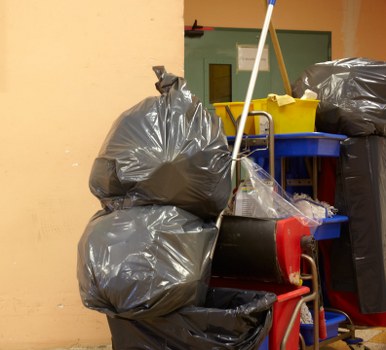 Responsibilities are allocated to ensure accountability from senior management to frontline operatives. Management will provide the necessary resources, training and supervision. Supervisors will implement safe systems of work and operators will follow safe working procedures. Competent personnel will carry out risk assessments specific to the rubbish and commercial waste activities they perform.
Risk assessment and control measures
We conduct dynamic and documented risk assessments for all routine and non-routine operations including manual handling of bins, operation of compactors, loading and unloading of skips and segregation of recyclable and non-recyclable materials. Controls include engineering measures, PPE, procedural safeguards and safe vehicle practices.
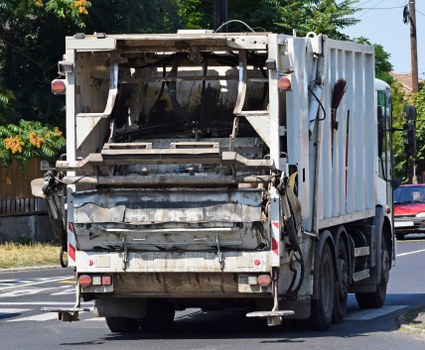 Key controls include:
- Safe vehicles and plant: Regular maintenance and pre-shift checks to prevent mechanical failures during waste collection and transfer.
- Manual handling precautions: Use of trolleys, lifts, and mechanical aids to limit musculoskeletal hazards in the rubbish collection process.
- Segregation and containment: Clear labelling and containment to control exposure to hazardous residues and to limit contamination.
- Traffic management: Designated routes, reversing aids and banksman procedures to reduce vehicle-pedestrian conflicts within service areas.
Environmental and chemical safety: Where commercial waste includes potentially hazardous materials, we enforce isolation, correct containment, and use of appropriate spill kits and absorbents. Staff receive instruction on the hazards of common commercial refuse types and must follow segregation protocols to protect health and reduce contamination risks.
Training, competence and supervision
We commit to ongoing training to maintain competence across the rubbish company service area. This includes induction, refresher courses, on-the-job coaching and assessment of competency for driving and plant operation. Training records are maintained and reviewed to ensure currency.
 Supervisors perform routine safety observations and toolbox talks to reinforce safe behaviours and to address emerging hazards. Performance metrics for safety are monitored and used to shape further training and operational improvements.
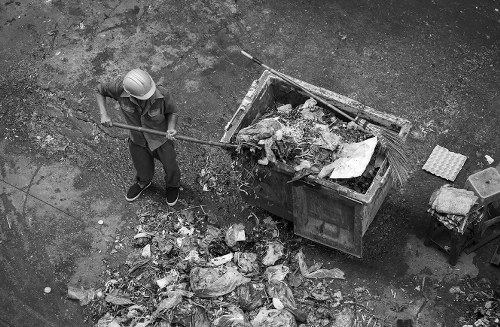 Reporting and incident management: All accidents, near misses and unsafe conditions must be reported promptly. A structured incident investigation process identifies root causes and corrective measures to prevent recurrence. Lessons learned are communicated across the commercial waste and rubbish collection teams to continuously improve safety performance.
Health surveillance and wellbeing: Where employees are exposed to health hazards such as silica dust, bioaerosols or repetitive strain risks, appropriate health surveillance programmes will be implemented. We promote general employee wellbeing through risk-aware rostering, adequate rest breaks and facilities that reduce fatigue-related incidents in the service area.
Personal protective equipment: PPE requirements are defined for each task and include high-visibility clothing, gloves, eye protection, respiratory protection where necessary and appropriate footwear. PPE is provided, maintained and replaced as needed. Supervisors ensure correct usage at all times.
Monitoring, review and continuous improvement: The policy and associated procedures will be reviewed at least annually and after significant incidents or changes to operations. Safety performance indicators, audit findings and consultation outcomes guide continuous improvement activities across our commercial waste operations and rubbish service area.
Contractor and visitor management: Contractors and visitors who attend waste transfer sites, offices or collection depots are required to comply with site safety rules. Inductions, permits and supervision arrangements are used to manage external personnel safely while they work alongside our staff.
Emergency preparedness: Emergency plans cover fire, spillage, vehicle incidents and medical emergencies. Procedures are in place for evacuation, emergency contact, and business continuity to protect staff and the public in the event of a serious incident.
Leadership and consultation: Senior management will demonstrate leadership by setting safety priorities, allocating resources and engaging staff through regular consultation. Worker involvement helps identify hazards early and supports practical, sustainable safety solutions in the commercial waste and rubbish collection environment.
Implementation: Responsibility for implementing this Health and Safety policy rests with management at all levels. Supervisors ensure procedures are followed and workers are empowered to stop unsafe work. Compliance monitoring, audits and corrective action close the loop on safety.
Commitment statement: We are committed to creating and maintaining a safe, healthy and compliant working environment for everyone involved in handling commercial waste, refuse removal and related rubbish services. Safety performance will be measured, reported and improved as an integral part of operational excellence.
Signature of commitment: This policy is endorsed at the highest level and communicated to all employees. It is supported by documented procedures, training, and effective supervision to ensure risks are managed, people are protected, and service delivery remains safe and reliable in every service area.
