Recycling and Sustainability — Commercial Waste Merton
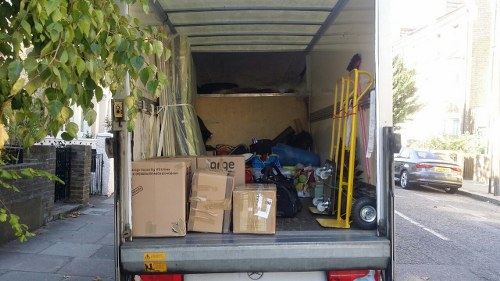 Commercial Waste Merton supports a practical, eco-friendly waste disposal area approach across the borough. Our page sets out how business waste, reuse and recycling are managed in line with the borough’s sustainable rubbish area ambitions. We explain the role of local transfer stations, partnerships with charities and steps taken to reduce transport emissions. The goal is to make commercial waste in Merton work for the environment and the local economy, helping businesses transition to low-impact operations while improving recycling rates.
Working alongside local estates and property managers, Merton commercial waste services promote clear separation at source: dry recycling, glass, food waste and mixed residual collections are coordinated to keep contamination low. The borough’s approach to waste separation encourages separate food and garden bins where practical, drop-off points for textiles and separate collection streams for bulky commercial items. This separation is key to achieving higher recovery and recycling outcomes and to creating a sustainable rubbish area model for the whole community.
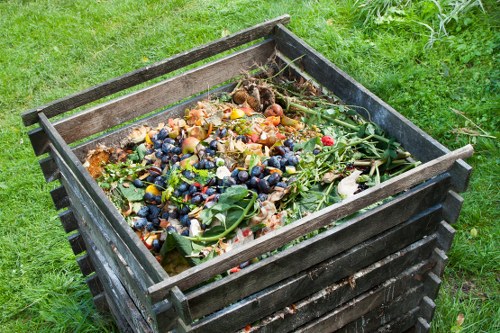 To measure progress, we publish an ambitious recycling percentage target reflecting the needs of an urban borough with diverse commercial activity. The target is to reach a minimum 65% recycling and recovery rate for commercial waste by 2030, with interim milestones to track improvements each year. This target recognises that commercial waste streams differ from household waste and requires focused interventions such as increased segregation, more reuse opportunities and better material routing to recycling facilities.
Local transfer stations and material routing
Local transfer stations act as the backbone of an efficient eco-friendly waste disposal area. Commercial Waste Merton relies on a network of nearby transfer hubs where segregated materials are consolidated before onward transportation to specialist recyclers. These facilities reduce vehicle miles, cut costs and lower carbon emissions when compared with long-haul trips to distant treatment plants. Examples of activity include sorting of paper and cardboard, consolidation of mixed dry recycling, and separation of hazardous or electrical wastes for specialist processing.
Key components of the local system include:
- Strategic transfer stations that accept segregated commercial streams and prepare loads for recycling.
- Dedicated routes for glass, metals and paper to specialist recyclers to maintain material quality.
- Bulky waste staging areas for reuse or onward donation through charity partners.
 Midway through the borough’s implementation, emphasis is placed on circular economy activities: repair, reuse and remanufacture. For commercial tenants and retailers this means diverting perfectly usable items — fixtures, furniture, IT equipment and packaging — from the residual stream into charity channels or refurbishment partners. The borough’s waste separation guidance supports this by encouraging internal segregation of goods that can be redistributed, and by providing clear contamination-reduction measures to keep recycling streams viable.
Partnerships, charities and reuse networks
Commercial Waste Merton fosters strong partnerships with local charities and social enterprises to ensure items removed from businesses can get a second life. These partnerships include formal agreements to accept office furniture, clothing and working appliances, as well as ad-hoc collaborations where charity vans collect good-quality items from transfer stations. These relationships not only help reduce landfill but also support community projects and employment initiatives, demonstrating how sustainable rubbish area planning benefits people and planet.
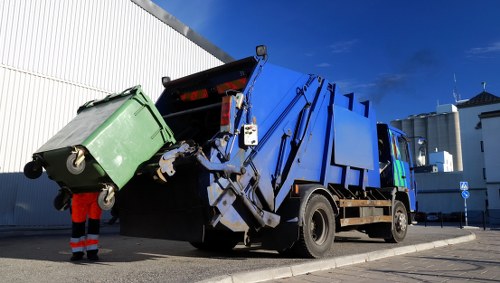 Our collaborative model includes:
- Agreements with community repair cafes and social businesses to refurbish electronics and furniture.
- Charity drop-off lanes at key transfer hubs for rapid redistribution.
- Coordination with textile banks and specialist hazardous waste handlers to keep harmful materials out of recycling streams.
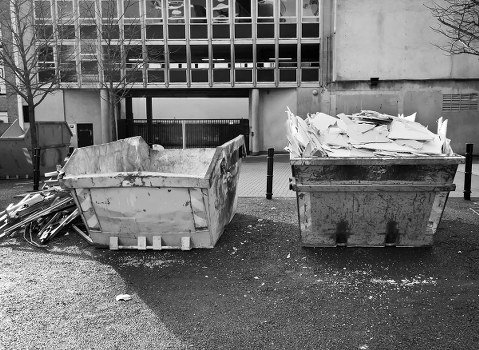 Low-carbon vans and smarter logistics are essential to lower the carbon footprint of commercial collections. Commercial Waste Merton is increasing use of electric and hybrid vehicles across its contractor fleets and encouraging contracted operators to adopt low-emission vehicles for daily collections. Route optimisation software reduces empty running, while consolidated collections and off-peak deliveries limit congestion and emissions in densely used commercial streets.
The combined effect of transfer station efficiency, stronger charity partnerships and a greener vehicle fleet is a practical path toward a more sustainable commercial waste landscape. Businesses benefit from cost savings through better segregation and reduced landfill charges; the borough benefits from higher recycling yields and reduced greenhouse gas emissions; and residents benefit from improved local air quality and reduced truck movements.
Performance monitoring underpins the strategy: tonnage by stream, contamination rates, reuse volumes and vehicle emissions are tracked to show progress against the recycling percentage target. Regular reporting supports adaptive management — when a bin stream shows rising contamination we target education and operational changes, and when reuse volumes grow we expand charity partnerships to handle the lift.
Ultimately, a strong eco-friendly waste disposal area in Merton depends on coordinated action: businesses separating waste correctly, transfer stations handling materials efficiently, charities and reuse partners taking back goods, and low-carbon vans completing collections. Commercial Waste Merton aims to lead this transformation, creating a resilient, sustainable rubbish area model that other boroughs can adapt while delivering measurable environmental and social benefits.
